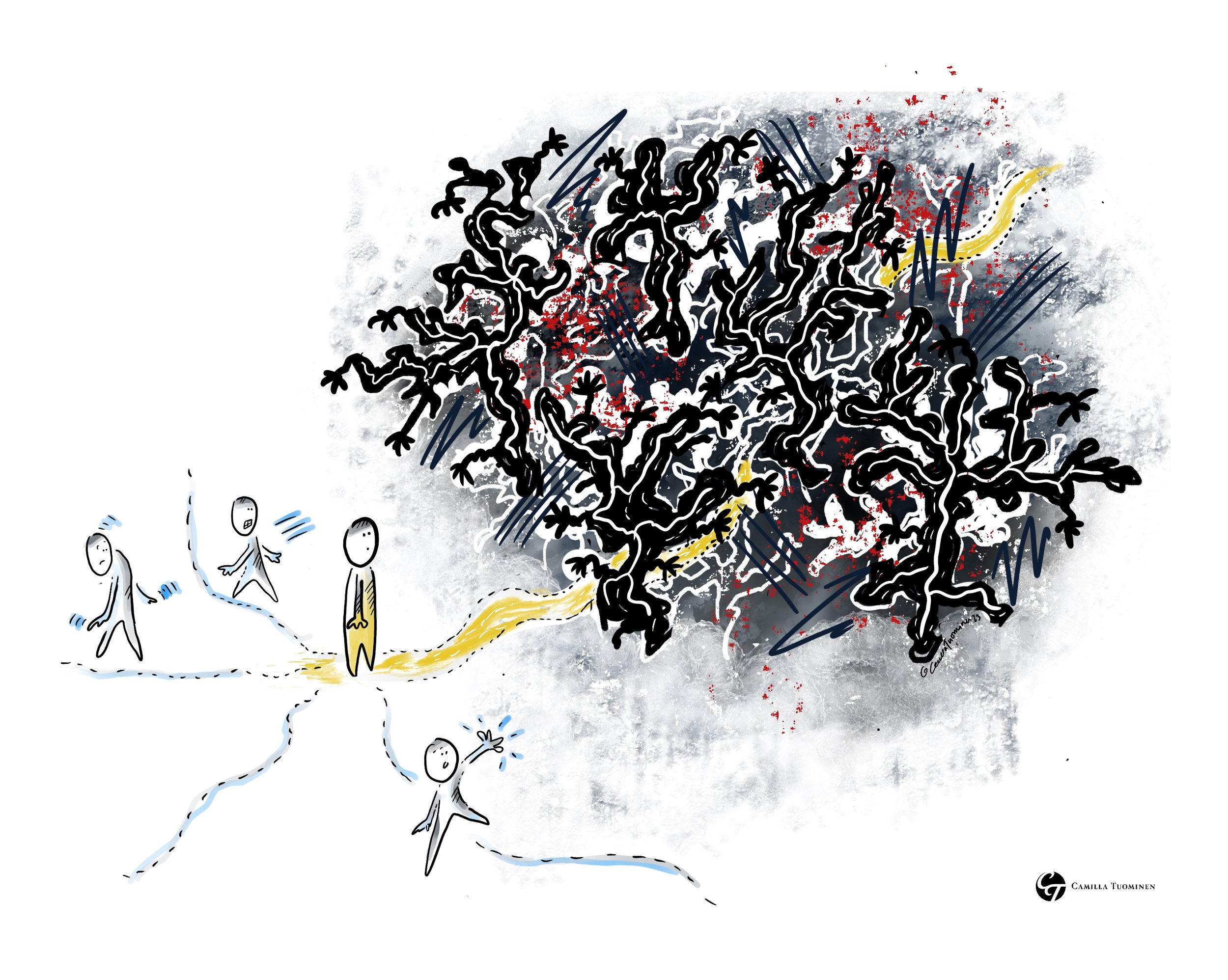
Too much work? Too little work? Or secret AI helper?
We talk a lot about having too much work, but do we talk enough about the other extreme: emptiness, when there is too little to do? Or about the situation where AI completes my work in half the time, and we hide it from others because I feel like we’ve “cheated” and experience guilty about it?
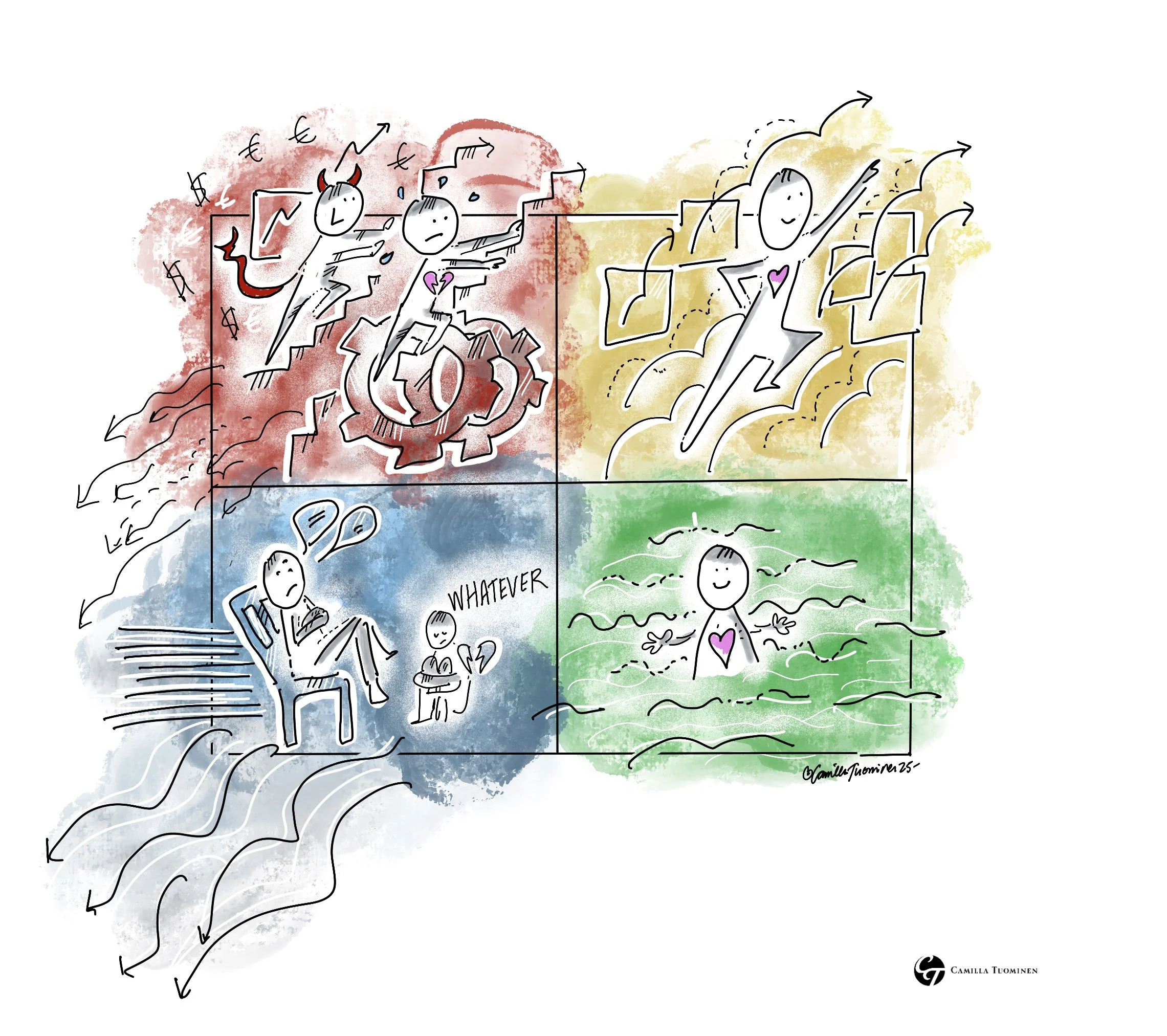
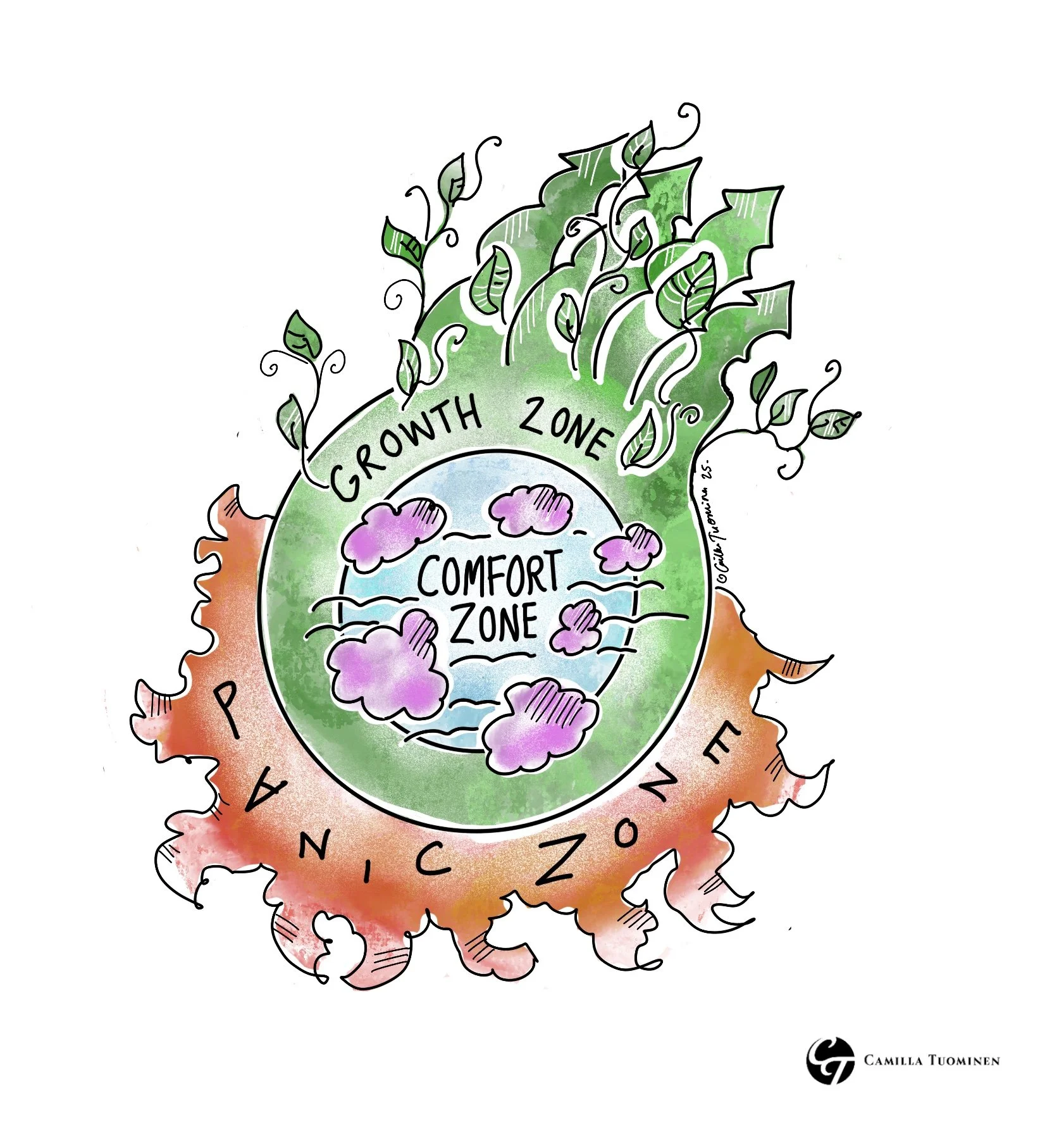
Most of us recognise the phenomenon where having too much to do becomes paralysing. When there’s too much on the plate, it feels impossible to do anything at all. We feel stress, anxiety and uncertainty. This is a well-known phenomenon in psychology: cognitive overload weakens thinking, the brain gets stuck, and nothing feels manageable.
But we talk much less about the other extreme – a surprisingly similar phenomenon that I believe many still recognise. What it feels like when the calendar is too empty. Being in remote work, role changes, restructuring processes, unemployed without the safety that structure brings. Or like me: paralysed in front of an overwhelming goal as a PhD researcher.
Then the feeling is not the anxiety of busyness, but something quieter and more gnawing. Thoughts like: how can I be this unproductive? Am I needed? Am I valuable? There is little to do, and yet we can’t even get that little done.
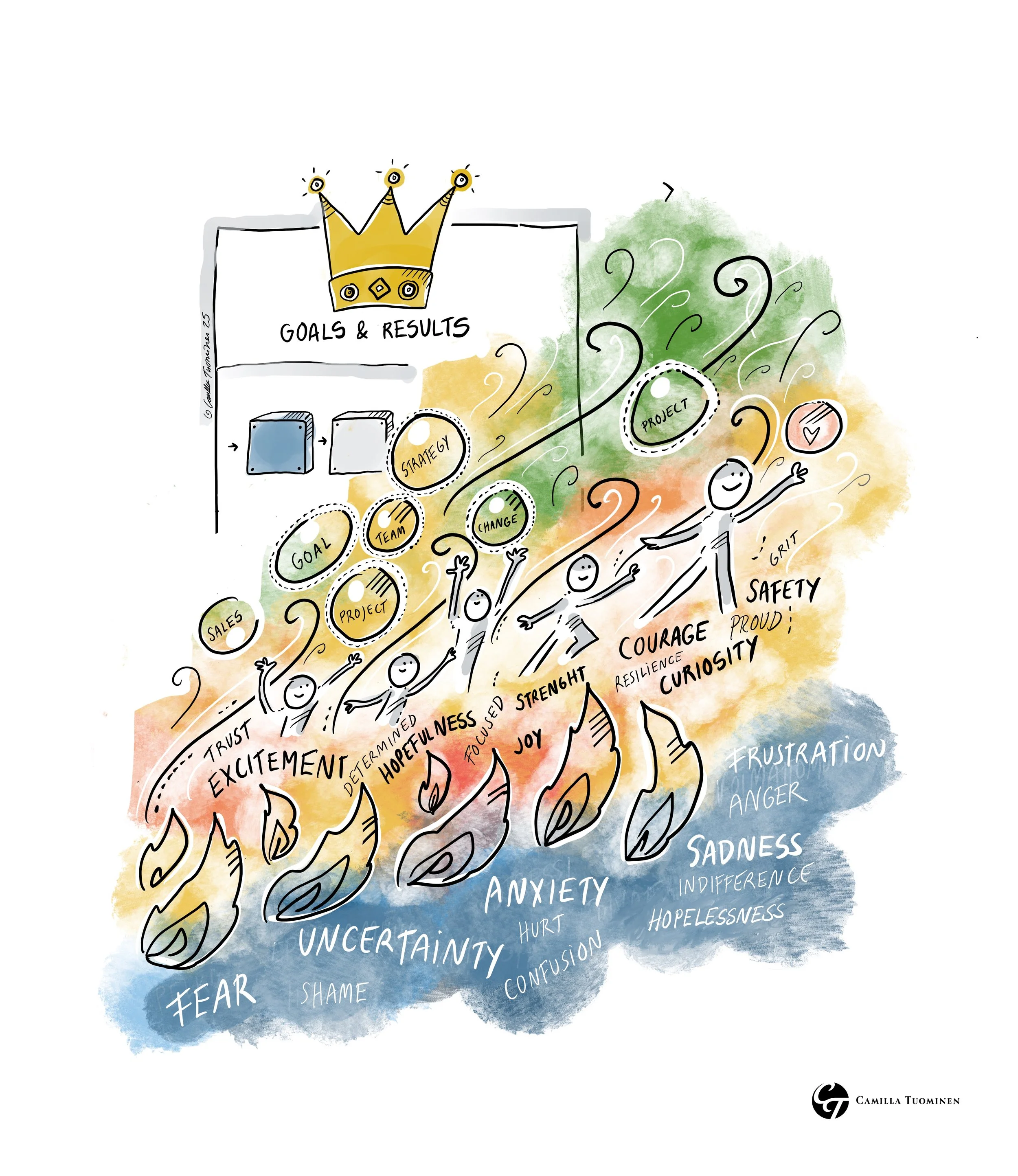
This, too, is familiar to psychology. Parkinson’s Law describes how work expands to fill the time available, and the Yerkes–Dodson Law reminds us that without sufficient pressure, our level of activation remains too low. We don’t get started. Too much pressure paralyses us; too little pressure makes us drift.
More recently, one more massive theme has entered this picture (which I’ll write more about later): the time saved by AI and the emotional storm it triggers. Guilt about using AI. A sense of cheating. Hiding the time saved. Freedom that we don’t quite dare to accept.
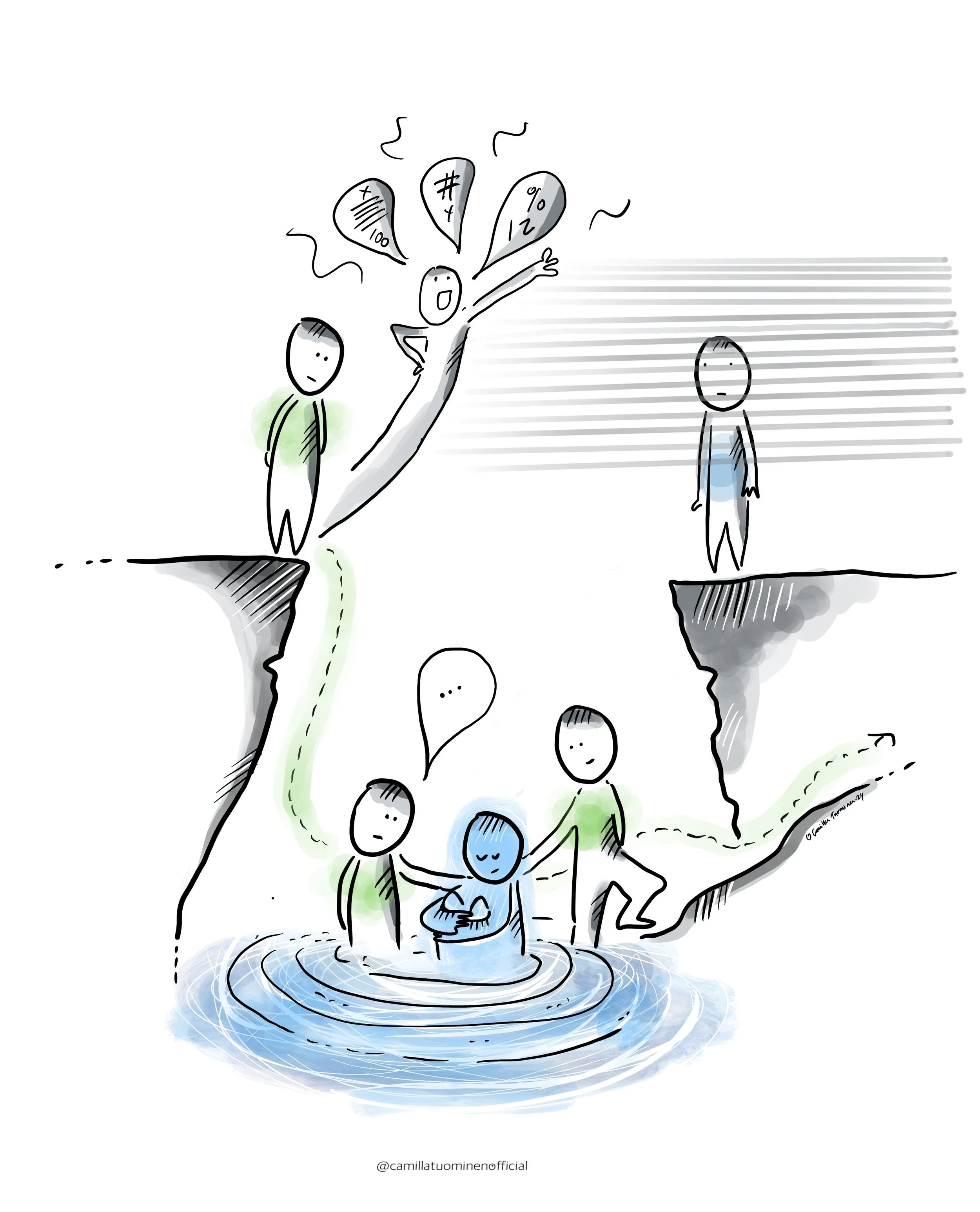
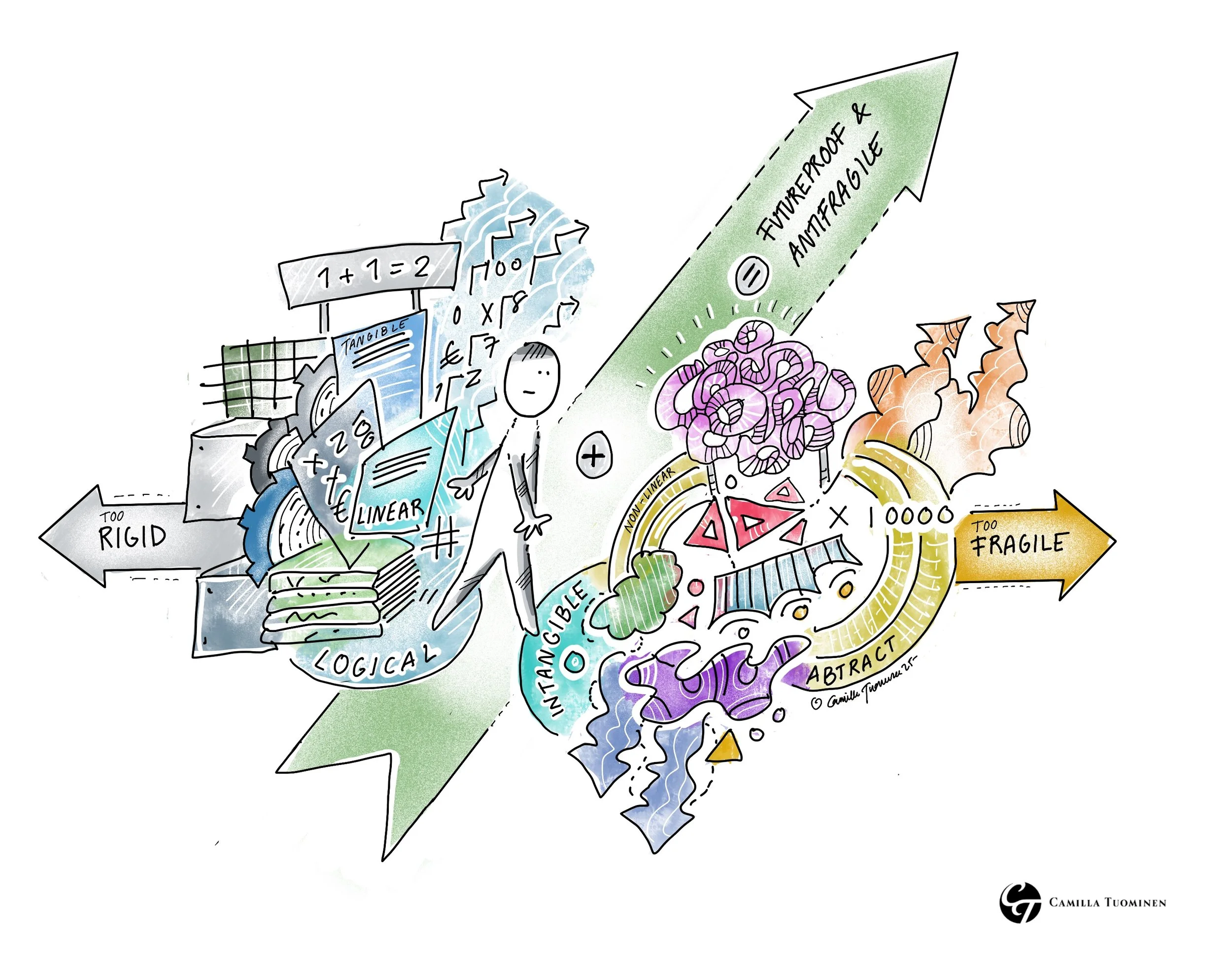
This is what I refer to when I talk about responsibility. As working life becomes freer from old structures, we must dare to rebuild them. At the same time as we free ourselves from rigid roles and “straightjackets,” responsibility for the meaningfulness of our work increasingly shifts to the individual.
No one from the outside can fully see when someone is sliding too far toward burnout or boreout. How we can openly talk about these issues together, and how we lead our own work and, through that, our emotions, is at the core of everything.
I solved my own situation like this. My circling and avoidance eventually led to total frustration with myself. And as emotions often do, that frustration brought an energy surge that clarified the solution: every morning, before any other work, I advance my PhD for at least one hour. Then I tick the box and give myself a small reward in the spirit of Atomic Habits (that’s when I allow myself to open social media for the first time).
Do you recognise these phenomena: too much, too little, or the secret helper? What thoughts does this raise for you?