3 Types of Knowing
We know a great deal in our professional lives. We are skilled, capable, and highly trained at doing things.
But do we also have the wisdom to act rightly?
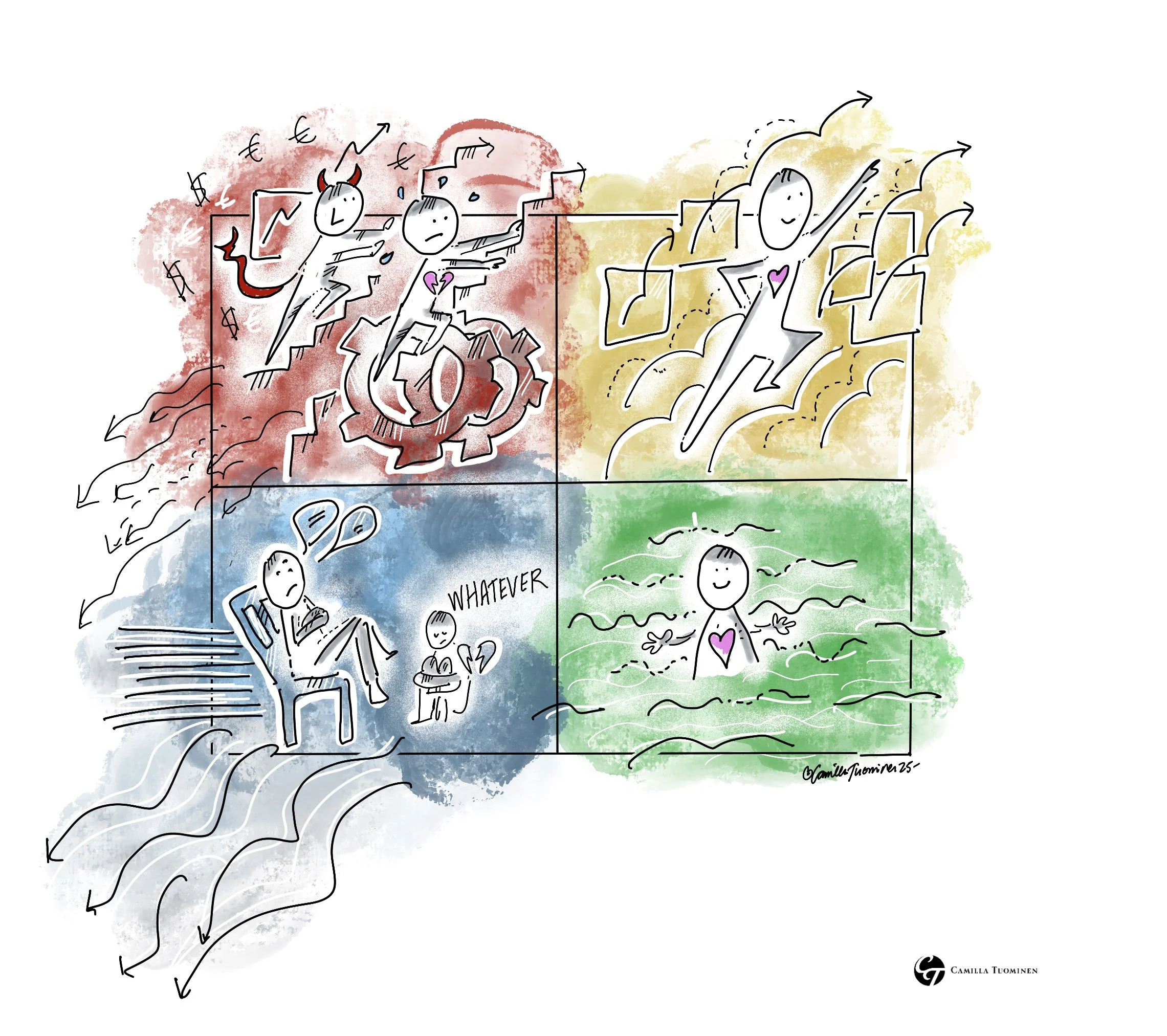
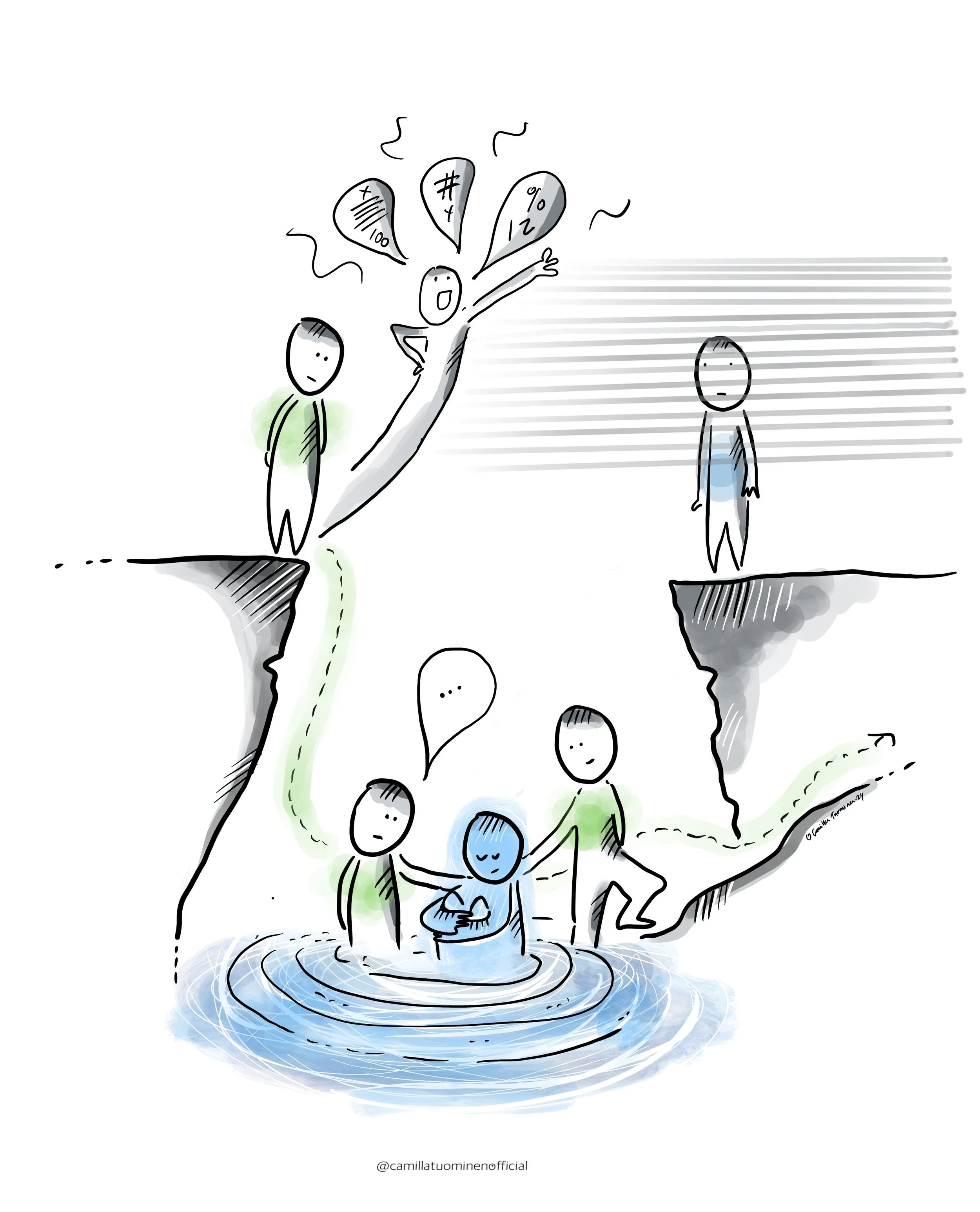
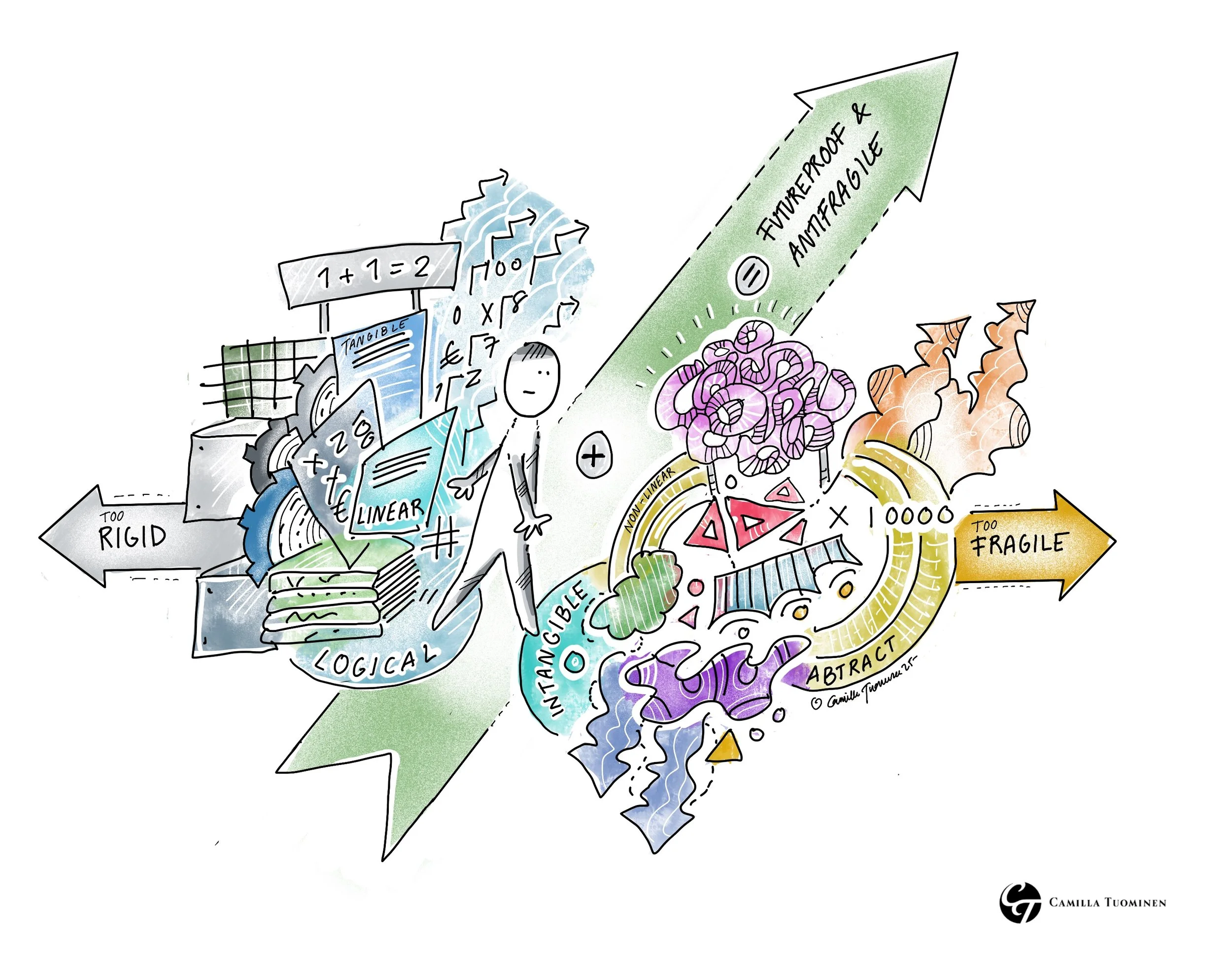
In my view, knowledge and action alone are no longer enough. What we increasingly need is a deeper, situational compass—one that helps us navigate complexity, ambiguity, and ever-changing circumstances.
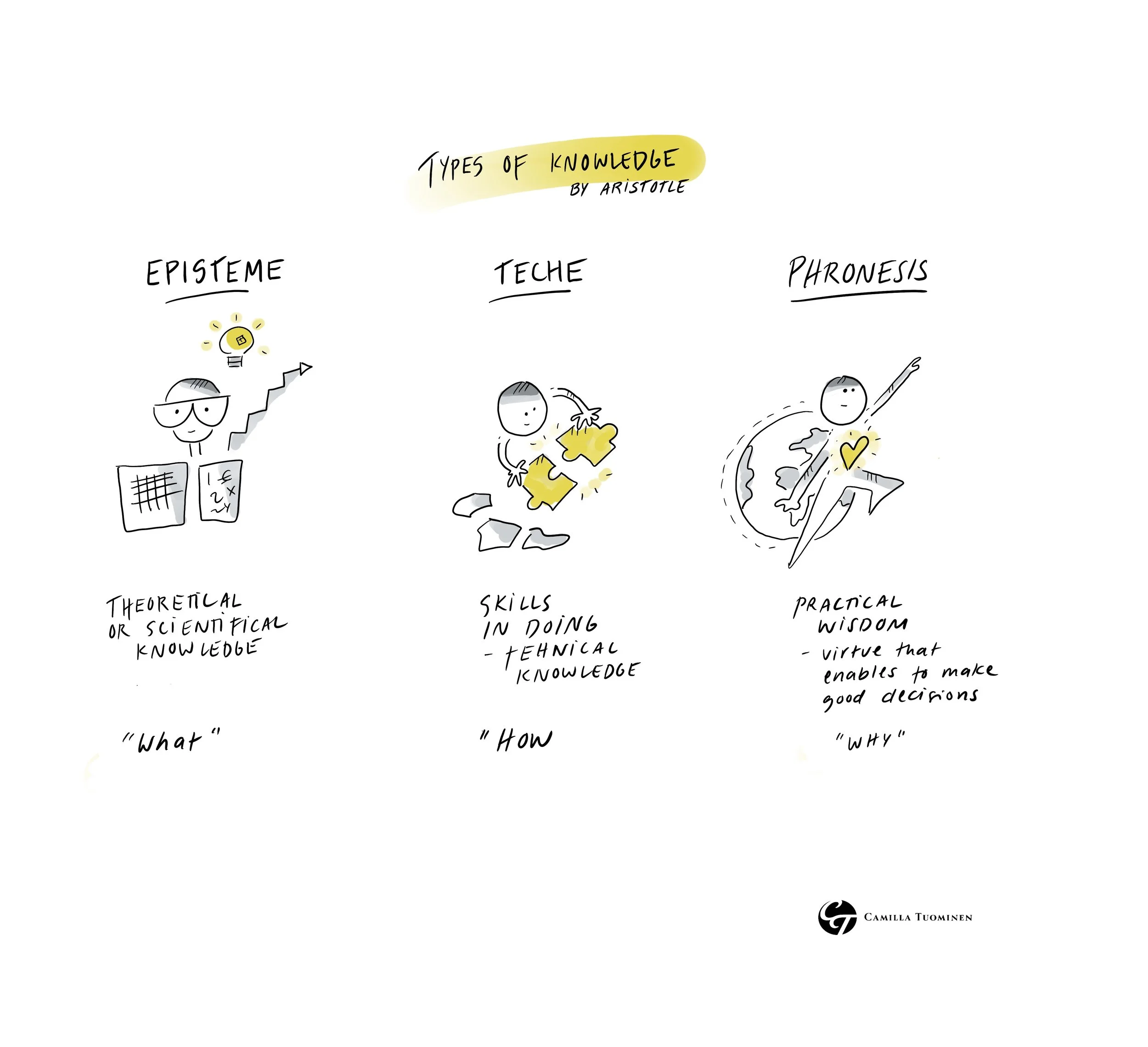
What fascinates me is that this question is anything but new. The same themes were already explored by Aristotle in the 4th century BCE. During my studies in the philosophy of science, I encountered his distinction between three forms of knowledge—and it resonated deeply.
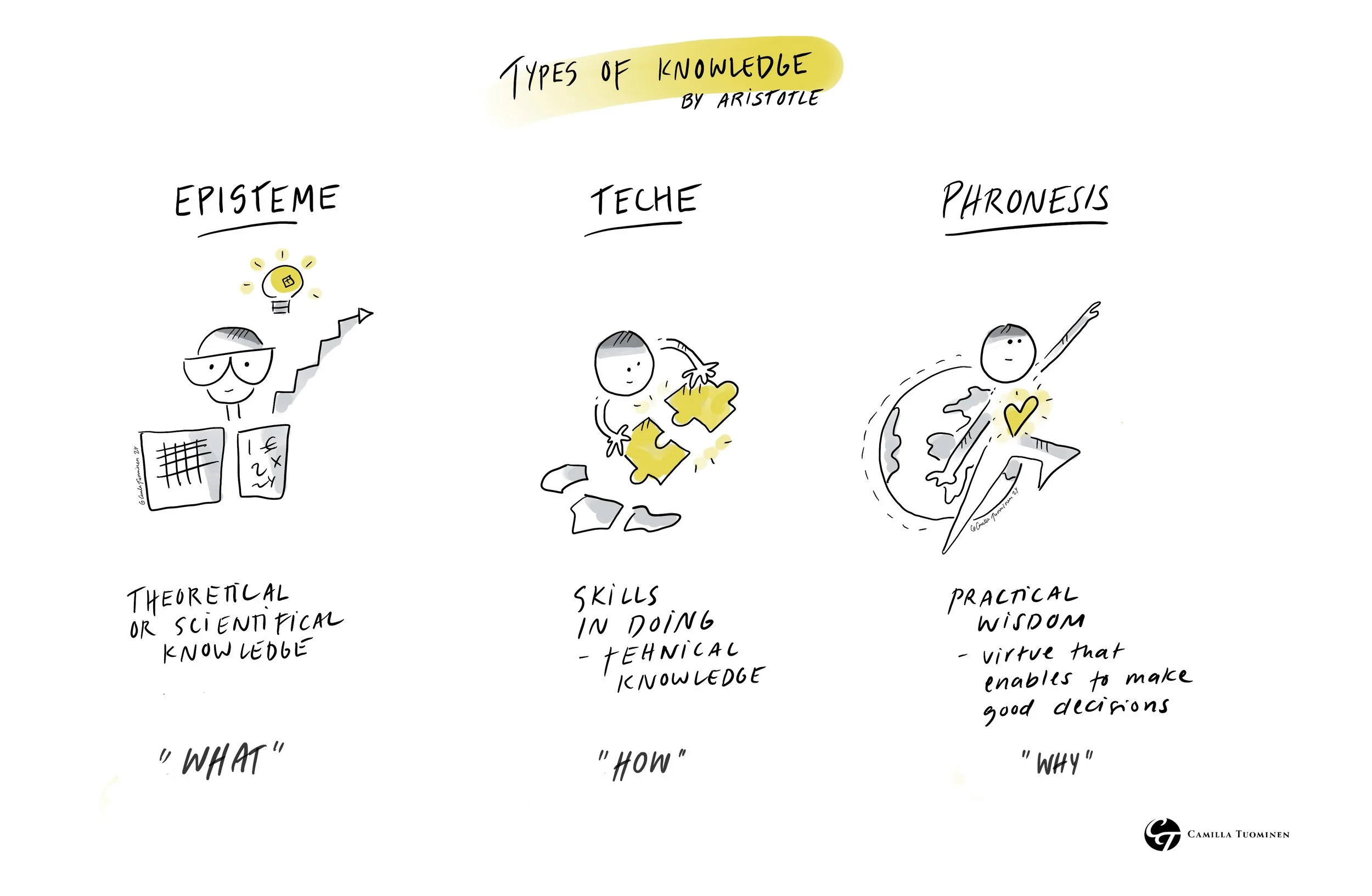
Episteme
Theoretical or scientific knowledge. Universal, systematic, and teachable. Episteme focuses on what is stable and unchanging—such as mathematical laws or the principles of physics.
Techne
Often translated as “skill” or “craftsmanship.” Techne refers to the technical ability to produce something or achieve a result. It includes practical know-how and applied expertise—like a carpenter building furniture or a doctor diagnosing and treating illness.
Phronesis
Practical wisdom. This is the ability to judge what is good and appropriate in a specific situation. Phronesis is not just about knowing what to do, but understanding why, when, and how to act in relation to people, values, and context. It is deeply ethical, relational, and situational—and essential for meaningful leadership.
In a world that rewards speed, efficiency, and execution, Aristotle’s framework feels surprisingly modern. It reminds us that true leadership—and responsible action—requires more than knowledge and skills. It requires wisdom.
Inspiring, isn’t it? I find this endlessly energising.